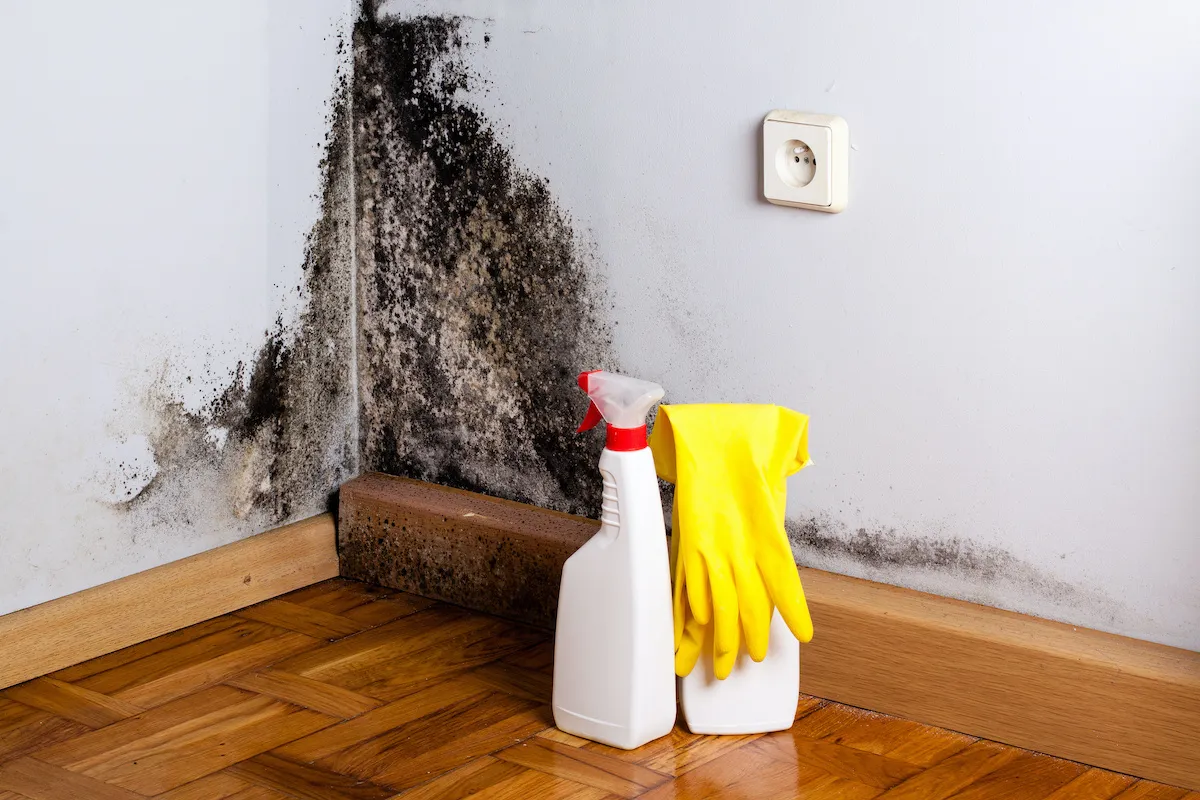
Few topics attract as many misunderstandings as mold. Some people downplay it as a cosmetic nuisance, while others assume nothing can be done once it appears. Speaking with toxic mold attorneys california residents trust often begins with clearing away these common myths and getting to the facts.
Myth: Mold Is Only a Cleaning Problem
Wiping a wall may remove what you can see, but it rarely addresses the cause. Mold returns when moisture remains trapped behind surfaces. Surface cleaning can even give a false sense of safety.
Real solutions require locating the leak, drying the structure, and removing contaminated materials safely. Skipping these steps may allow the problem to spread unnoticed. Treat recurring mold as a symptom that something deeper needs repair.
Myth: Only Tenants Can Bring Claims
Renters are often the first to report mold, but they are not the only ones affected. Homeowners, buyers, and commercial occupants can also face serious losses. Responsibility may sit with a seller, builder, or contractor.
Talking with mold attorneys los angeles property owners consult can reveal which claims fit a particular situation. The right path depends on who controlled the property and what they knew. Ownership status alone does not decide the outcome.
Myth: You Need Proof of Illness First
Medical records can strengthen a case, but they are not required before asking questions. Many people seek guidance simply because they see growth and worry about what comes next. Early advice helps you preserve evidence while it still exists.
Still, a doctor’s notes become more useful when they describe symptoms and timing consistently. Do not diagnose yourself from articles or online forums. Let qualified professionals evaluate your health and the building separately.
Myth: Complaining Will Get You Evicted
Fear of retaliation keeps many tenants quiet. California law restricts landlords from punishing renters who assert habitability rights in good faith. Notices and rent changes that follow soon after a complaint deserve close attention.
That does not mean every dispute is risk-free. Follow lease terms, pay rent unless advised otherwise, and communicate respectfully in writing. A calm, documented approach protects you while keeping the focus on the property condition.
Myth: Every Case Ends in Court
Courtroom battles are the exception rather than the rule. Many mold disputes resolve through demand letters, mediation, or negotiated settlements. Well-organized evidence often encourages the other side to talk seriously.
Court remains available if discussions stall. Knowing that option exists can itself influence negotiations. The goal is usually a practical result, such as repairs, reimbursement, or relocation costs, achieved with as little delay as possible.
Myth: Waiting Makes the Problem Disappear
Time works against mold victims. Growth spreads, belongings deteriorate, and evidence fades once repairs begin. Legal deadlines also continue to run quietly in the background.
Acting early does not commit you to a lawsuit. It simply keeps choices open. Photograph conditions, report problems in writing, and seek advice while your options are broadest.
Conclusion
Separating fact from fiction helps residents respond to mold with clarity instead of fear. The problem is rarely only cosmetic, deadlines matter, and documented action tends to produce better results. Informed decisions begin with accurate information.
Readers wanting additional legal background on mold issues can visit mehdlaw.com for more guidance.
